Build a dog grooming routine around coat type and comfort.
Start with three questions: what does your dog's coat need, what can you do comfortably at home, and what belongs with a professional? This dog grooming routine checklist turns those answers into a plan you can keep between appointments.
Separate observations from grooming jobs
Make three columns on paper or in a note: observe, confirm, and delegate. Noticing a change does not commit you to treating it, and an unfinished task can still produce a useful observation.
- Observe: record loose hair, debris, tangles, skin changes, and how your dog responds to touch. Describe the location and what you saw rather than naming a condition.
- Confirm: ask your groomer to identify the coat, demonstrate suitable tools, and agree on brushing, bathing, drying, and haircut needs. Ask your veterinarian about skin concerns or prescribed products.
- Delegate: list work you cannot do safely or comfortably, including mat removal, unfamiliar clipping, and nail care your dog resists. Name the professional you will contact rather than leaving the task indefinitely unfinished.
Confirm the routine for the actual coat
The ASPCA and VCA both distinguish grooming needs by coat type. Use the categories below to prepare questions, not to assign a permanent schedule from a breed name or photograph.
- Smooth, short coat: ask whether a rubber grooming tool or soft brush suits your dog. Confirm how often to remove loose hair without irritating the skin.
- Dense or double coat: ask how to maintain the undercoat and whether shedding periods require extra sessions. Get a demonstration before using an unfamiliar undercoat tool.
- Long or silky coat: plan for frequent attention. Ask how to check the full coat, including behind the ears and around the legs, without pulling.
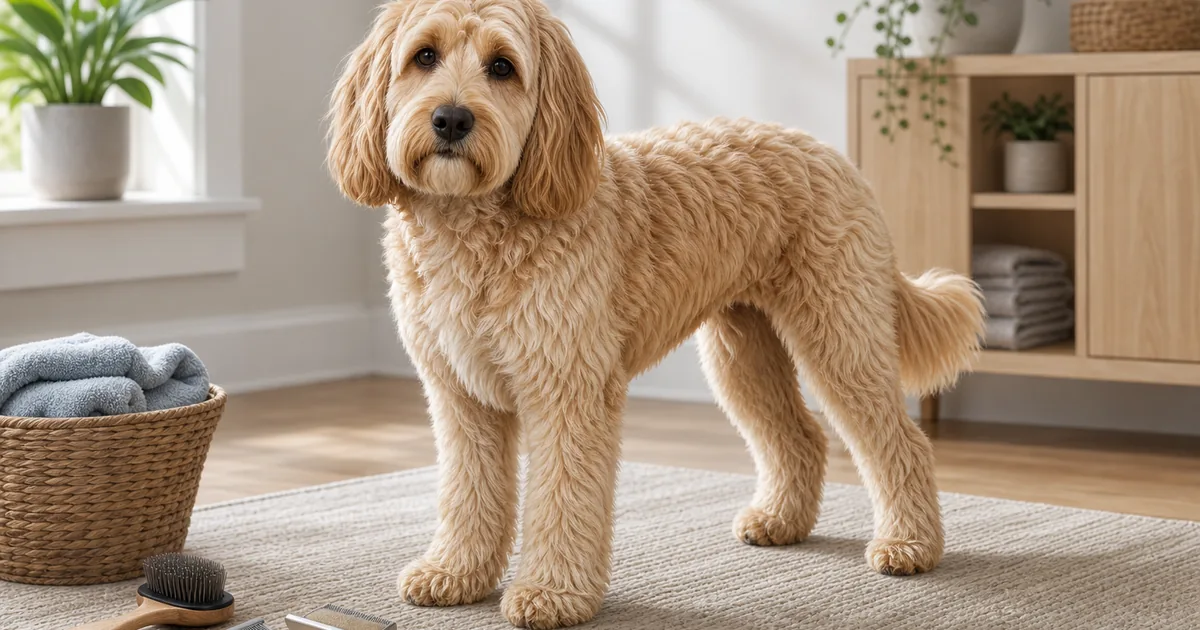
- Curly or woolly coat: discuss regular brushing, comb checks, and professional clipping. Ask what coat length you can realistically maintain between appointments.
- Wiry, corded, unusual, or uncertain coat: ask for an individual plan rather than borrowing instructions for a different texture.
VCA recommends daily brushing for long, silky, or curly coats, while short coats may need less frequent brushing. Ask your groomer to confirm the interval for your dog's current coat length and demonstrate the technique; if you cannot maintain it comfortably, discuss a more manageable professional care plan.
Make comfort the first check
The RSPCA recommends gradual, reward-based introductions to grooming and says not to force a dog through it. Start with a small task your dog already accepts, rather than attempting a whole-body session.
- Choose a secure, nonslip place where your dog can move away safely. Have the agreed tool and small rewards ready.
- Begin with brief, familiar handling. If your dog is already avoiding you or the tool, leave the grooming for now.
- Try a few light strokes on an accepted area, then pause. Reward comfortable participation rather than using food to keep working through distress.
- Stop if your dog turns away, repeatedly licks their lips, stiffens, withdraws a paw, or tries to leave. PDSA identifies these kinds of changes as possible signs of discomfort or stress.
- Record the area and response. If the same task repeatedly causes distress, contact your groomer or veterinarian to agree on a different approach.
Keep observation separate from treatment
PDSA advises checking for skin and coat changes and asking a veterinarian about concerns. Keep notes factual: a patch that looks red, a new smell, or pulling away when a particular paw is touched.
- Coat and skin: look for clumps, debris, redness, sores, or new thinning without tugging or repeatedly touching a sore area.
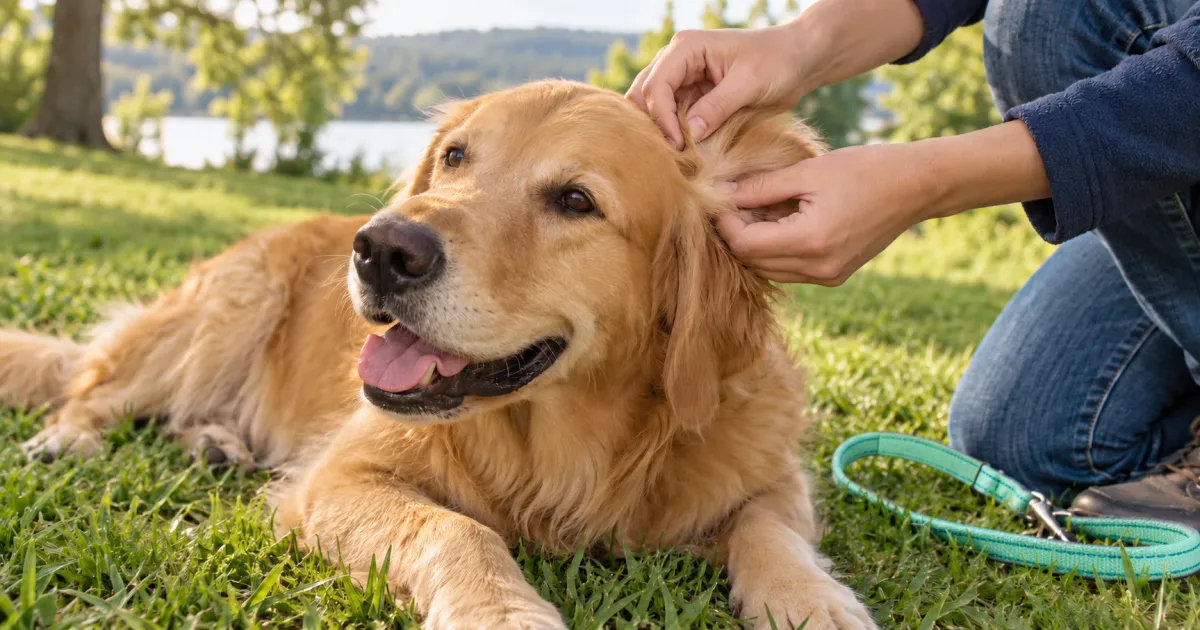
- Ears: observe only as your dog comfortably allows. PDSA advises contacting your vet about unusual wax, smell, or itching before attempting cleaning.
- Paws and nails: note a broken nail, tenderness, or a change in walking. Ask a professional to demonstrate routine nail care before adding it to your home tasks.
- Handling: record new sensitivity separately from coat maintenance. A dog that suddenly dislikes familiar touch needs veterinary advice, not firmer restraint.
Bathing belongs in the confirmed column, not on a universal weekly or monthly schedule. VCA explains that needs vary with coat, lifestyle, and health; agree on a dog-specific shampoo and drying method, and follow your veterinarian's directions for any prescribed bathing.
Know when to stop and whom to call
The ASPCA describes how mats can conceal and contribute to skin problems. Do not cut mats with scissors, pull them apart, or keep brushing when the tool catches; PDSA advises leaving mat removal to a professional.
- Contact a groomer for coat identification, tool demonstrations, routine clipping, or matting without apparent pain or skin injury. Describe your dog's handling limits before booking.
- Contact your veterinarian for painful mats, irritated or broken skin, persistent itching, unusual ear changes, or new sensitivity to touch. Do not wait for the next routine grooming appointment.
- Stop the session if your dog freezes, growls, snaps, or struggles. Give space, do not punish the warning, and seek advice before attempting that task again.
- If grooming reveals a wound, active bleeding, marked swelling, or severe pain, call your veterinarian promptly for triage rather than trying to finish.
Delegating does not mean asking someone else to overpower your dog. Tell the professional what happened and ask how they will adjust the session; the RSPCA recommends veterinary assessment and qualified behavior support when grooming remains difficult.
Turn the agreed plan into a repeatable checklist
Copy this template once for each task. Leave the interval blank until it is agreed, and use a separate reminder to arrange help for anything you cannot maintain at home.
- Task and area: what exactly will I check or groom?
- Observation: what did I notice, and where?
- Confirmed method: which tool or product, demonstrated by whom?
- Timing: agreed interval or trigger, plus the next date
- Comfort boundary: what response means I stop?
- Responsibility: me, groomer, or veterinary team
- Outcome: completed comfortably, partly completed, or stopped
- Next action: repeat as agreed, ask for a demonstration, or contact the professional
Notes and questions
Use this sheet with the instructions in the article. Fill in what you know and leave a question where information is missing.
This page does not send your notes to our server or save them. Refreshing or leaving can lose your notes. Save a PDF or print a copy before you close it.
This sheet organizes information, not medical decisions. If your dog is unwell or you are worried, contact a veterinarian rather than completing the sheet.